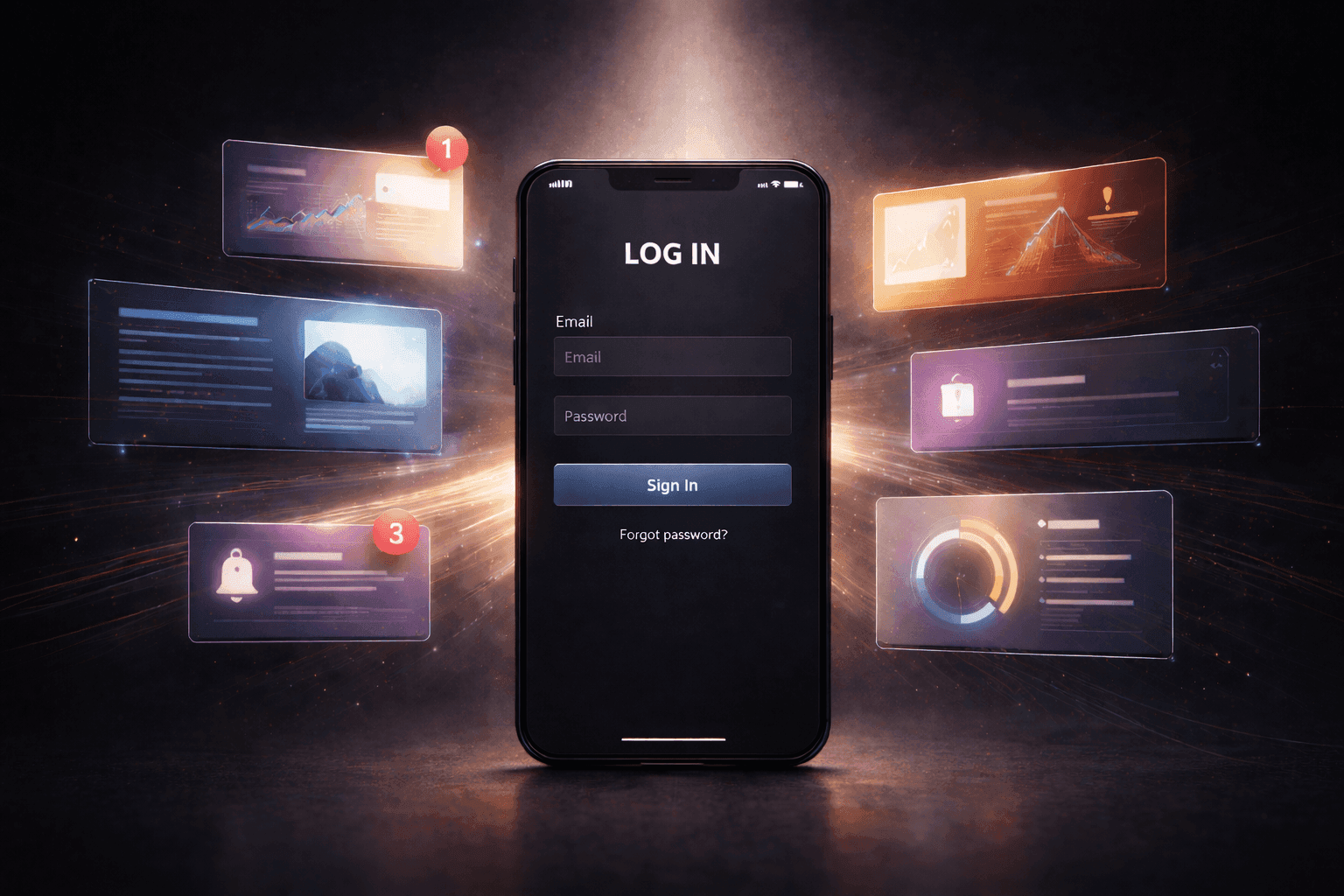
How Perya 777 Login Balances Security and Usability

Perya 777 login is a useful example of how trust gets shaped before a user even reaches the account itself. On mobile, people read the login page fast. They are not studying the design. They are just trying to get in without delay, confusion, or anything that makes the page feel unstable. That is why small things around access flow carry so much weight.
A user can accept security checks. Most people expect them. What they do not accept easily is a login flow that feels inconsistent. A tap seems to do nothing, so they tap again. The page takes too long to react, then throws a warning. The session expires after a quick app switch, and the return path feels harder than it should. None of that looks dramatic on paper, but on a phone it changes how the whole platform feels.
Where Perya 777 Login Builds Confidence
The first thing a mobile login page has to do is show the way in without making users work for it. That sounds obvious, but a lot of pages still get distracted by banners, oversized visuals, or layout choices that pull attention away from the actual sign-in path.
With Perya 777 login, the better outcome comes from keeping the access route visible early. A user should not need a second look just to confirm where the real login path is. The browser option also needs to feel valid, not like a backup route buried under other page elements.
That kind of clarity helps more than people think. On a phone, hesitation shows up quickly. A user lands on the page, looks for the fields, checks whether the button in front of them is the right one, then slows down because the screen is sending mixed signals. Once that happens, the page already feels less steady than it should.

How Mobile-First Authentication Feels
Mobile authentication is not only visual. It is physical. A keyboard pushes the page up. A field slips out of view. A thumb covers part of the screen. Tight spacing that seems acceptable on desktop becomes annoying in seconds on a phone.
That is part of why trust can weaken so early in the process. People are often logging in while distracted, while moving between apps, or while dealing with weak signal. A user may paste credentials, switch out for a message, come back, and expect the page to still make sense. If the login flow feels fragile under that kind of normal use, the secure side of the system starts looking weaker too.
This is where mobile-first design earns its place. The page has to assume interruptions, uneven attention, and rushed taps. It has to recover from ordinary behavior instead of turning ordinary behavior into confusion.
What Makes the First Sign-In Clear
A first sign-in flow should feel easy to read in one pass. Users should know where to enter details, where to submit, and what happens next. They should not be left guessing whether browser login is the main route or whether some other step comes first.
Small layout choices decide that. A faint label can slow someone down. A crowded form can make the wrong field more likely to get tapped. A button that blends into other elements can make the page feel less certain than it really is.
Order also plays a big role here. Sometimes the correct options are all present, but the screen still feels off because the sign-in path sits lower than expected or the strongest visual emphasis lands somewhere else. On mobile, that kind of thing is not minor. It shapes the first impression of whether access looks dependable.
When Security Starts Creating Friction
Security starts causing problems once it begins reacting badly to normal mobile behavior. That happens more often than teams like to admit. A user taps login, gets weak feedback, taps again, then runs into a limit or warning. From the user side, it looks like the page changed its mind halfway through.
Rate limiting is a good example. It belongs there. No serious login flow should ignore repeated attempts. Still, the way it appears makes a huge difference. If somebody keeps submitting wrong credentials over and over, a limit message makes sense. If somebody taps twice because the first tap looked dead, the same warning feels unfair and random.
That is where trust gets damaged. Not because protection exists, but because the page does not explain enough around it. Good protection should still feel readable. A user should be able to tell whether the form submitted, whether the page is processing, and why a check appeared. Without that, security stops looking careful and starts looking shaky.
How Device Trust Should Work Quietly
Device trust works best when it barely draws attention to itself. A user signs in on the same phone they usually use, and the system handles that in a consistent way. The page does not suddenly behave like it has never seen that device before.
Once that consistency disappears, people notice fast. The same phone gets treated like a new device. An extra prompt appears without enough context. Yesterday the browser seemed recognized. Today it does not. Even if the back end has a reason, the front end still feels unreliable.
That is why device trust signals should stay calm and predictable. They should support the login flow after a normal sign-in, not turn into a second puzzle layered on top of the first one.
Why Session Security Has to Stay Invisible

Session security is another area where users may not know the term, but they feel the result right away. A session that dies too soon feels annoying. One that behaves oddly after a quick interruption feels messy. A timeout without a clear way back makes the page look half-broken.
Phones make this harder because interruptions are constant. Someone unlocks the screen, starts signing in, leaves for a notification, comes back two minutes later, and expects the flow to recover cleanly. If the page dumps them out without clear feedback, the problem is not only the timeout itself. It is the feeling that the access flow is unstable under ordinary use.
A stronger login experience handles that better. It shows what expired, keeps the route back in easy to spot, and does not make the user feel like they are restarting from zero every time the session breaks.
What Perya 777 Gets Right About Login UX
Perya 777 login is a solid brand-led example because it points to a simple truth about mobile authentication. Users judge security through the flow they can actually feel. They judge it through clarity, feedback, stability, and how easy it is to recover when something small goes wrong.
That is why login UX cannot be separated from trust. If the sign-in path stays visible, if the browser route feels proper, if rate limiting does not punish ordinary retry behavior, and if session handling stays quiet in the background, the whole platform feels more reliable. Users may never describe those pieces in design language, but they notice the difference every time they sign in.
The strongest mobile login flows do not ask for praise. They just avoid giving users a reason to doubt the page in front of them.