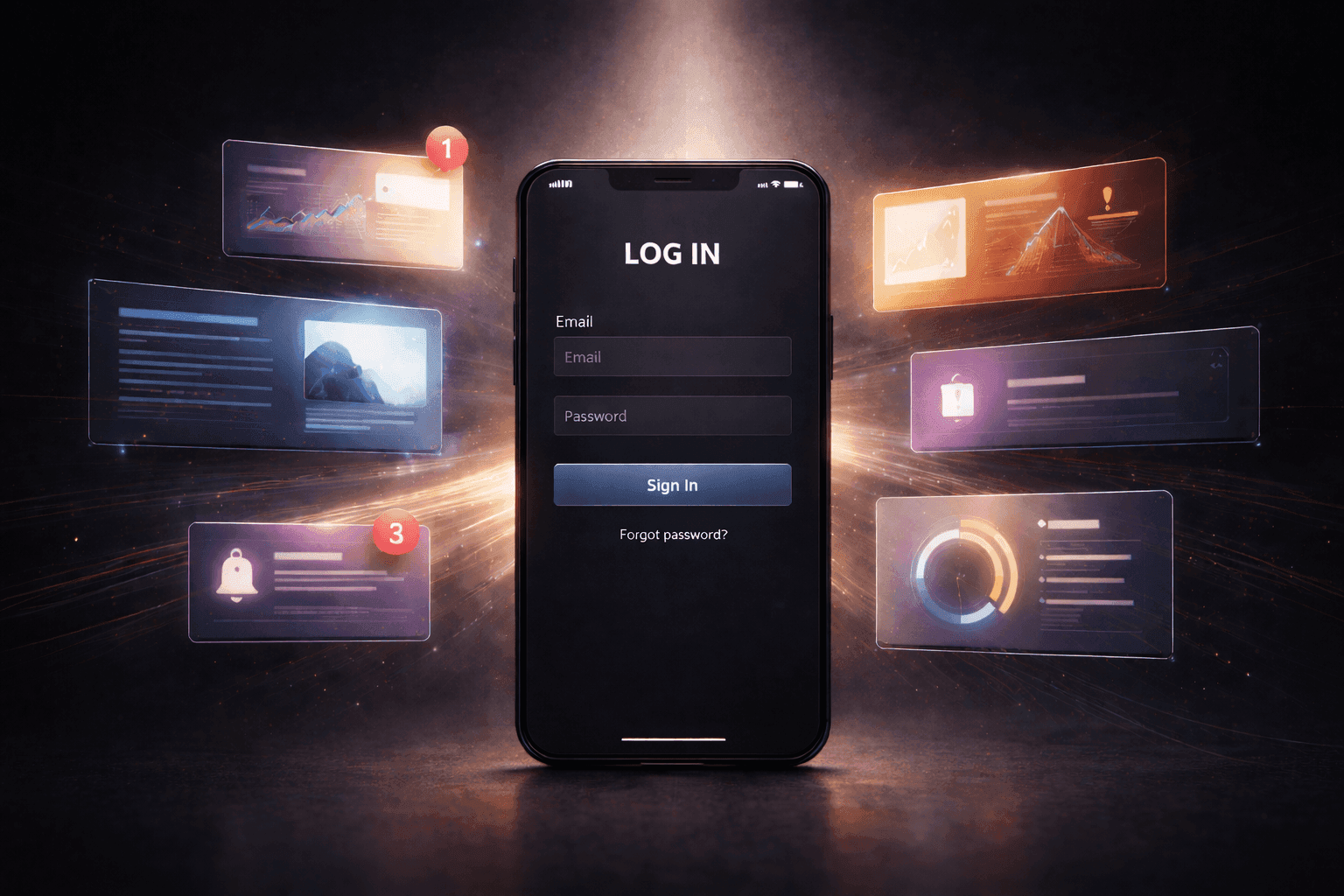
What Slows Down the JLJL88 Login Experience

Most users opening the JLJL88 login page are not there to admire the interface. They already know what they came to do. So the second the form makes them stop and check where to tap first, the page starts losing. People feel it when the page turns one simple step into something more tiring than it should be.
None of that sounds huge on paper. On the screen, it adds up. The form starts feeling cramped before you even type. Then one small hesitation turns into another. You look twice at the fields. You check the button again. Now a basic login page is asking for more attention than it earned.
Why JLJL88 Login Gets Judged Fast
A homepage can hide a lot behind banners, colors, and motion. A login screen cannot. It has a narrow job, so the rough parts are easier to spot.
People notice when the page makes them pause for no good reason. Maybe the first field does not really look like the starting point. Maybe the form feels visually top heavy, with too much weight above and not enough room where the actual inputs are. Maybe the labels are faint enough that you read them twice just to be sure. That kind of thing sounds small until you are the one staring at it on a phone.
The mood gets set early here. Not by one big failure. Just by a few choices that make the page feel less settled than it should.
Where the Visual Hierarchy Breaks Down
A login screen should tell the eye where to go first. Fields first. Main action next. Recovery path after that. The order should feel obvious without the user thinking about it.
When that hierarchy slips, everything starts pulling at the same time. The form fields do not stand out enough from the secondary links. The main button does not look clearly more important than everything around it. Support text grabs attention it did not need. From a distance the page can still look fine. Then you try to use it and it feels flatter than expected.
Button state matters too. If the main action looks active too early, or barely changes after input, the page starts sending mixed signals. People may not say it that way, but they feel it. The screen stops feeling steady.
How Mobile Pressure Changes the Experience

This is where a lot of login screens start showing their cracks. On mobile, every spacing issue gets louder. A field that felt acceptable on desktop can feel tight on a smaller screen. A button that looked normal with a mouse can turn awkward when someone is using a thumb.
Then there is the movement. Once the keyboard opens, the form should keep itself together. The active field should stay in view. The main button should not drop somewhere strange or force extra scrolling just to finish one step. When that happens, people stop feeling like they are using the page and start feeling like they are correcting it.
A lot of users notice this without having the words for it. You tap into the password field and the screen jumps. The label you were just reading disappears. The button drops below the fold. Now you are scrolling a login form that should have stayed still. That kind of viewport wobble says more about a page than the visual polish does. You can see the kind of browser setup people react to in this browser sign-in example, where layout stability matters just as much as appearance.
And once a mobile form starts wobbling around, patience goes fast.
Why Error Recovery Is the Real Test

A lot of pages seem decent until something goes wrong. Then you find out what the interface is really like.
Wrong password feedback is a good example. The message should be clear and quick. Not vague. Not overly dramatic. Not the kind of warning that tells the user something failed without saying what to do next. Clearing the whole form after one mistake is another bad move. It takes a small problem and turns it into extra work.
Recovery links matter just as much. Forgot password should be easy to spot without competing with the main action. Help text should sound direct. If recovery feels buried, oddly placed, or written like an afterthought, the page starts stretching a simple problem into a longer one.
There is also the retry flow. That part gets overlooked a lot. If someone fixes one mistake and tries again, the page should feel calm on the second attempt. Not like it is punishing them with a reset field, another awkward loading pause, or a state change that makes them wonder if the click even registered. When retry feels clumsy, the whole experience starts feeling brittle.
How Account Access Friction Builds
The worst friction usually does not come from one massive issue. It builds through accumulation.
A faint label here. A crowded link row there. A weak error message. A button that does not feel clearly primary. One or two of those might be manageable. Stack enough of them together and the page starts making the user do correction work the interface should have handled already.
That is what people remember afterward. Not the logo. Not the colors. Just the sense that the page kept slowing them down when the task itself should have been simple.
What Better Login Design Gets Right
The better version is not complicated. It gets the order right. Fields feel natural. Labels read clearly. The main action is obvious. Recovery paths stay visible when needed instead of hiding until someone gets frustrated enough to start hunting.
On mobile, it also means the layout stays steady when the keyboard opens and the tap targets do not feel cramped or risky. The screen does not need to impress anyone. It just needs to stop getting in the way.
That is really what people want from a page like this. Something clear on the first look, steady on a phone, and reasonable when something breaks. If it cannot manage that, then the friction becomes the whole story, and that is where people start losing time.