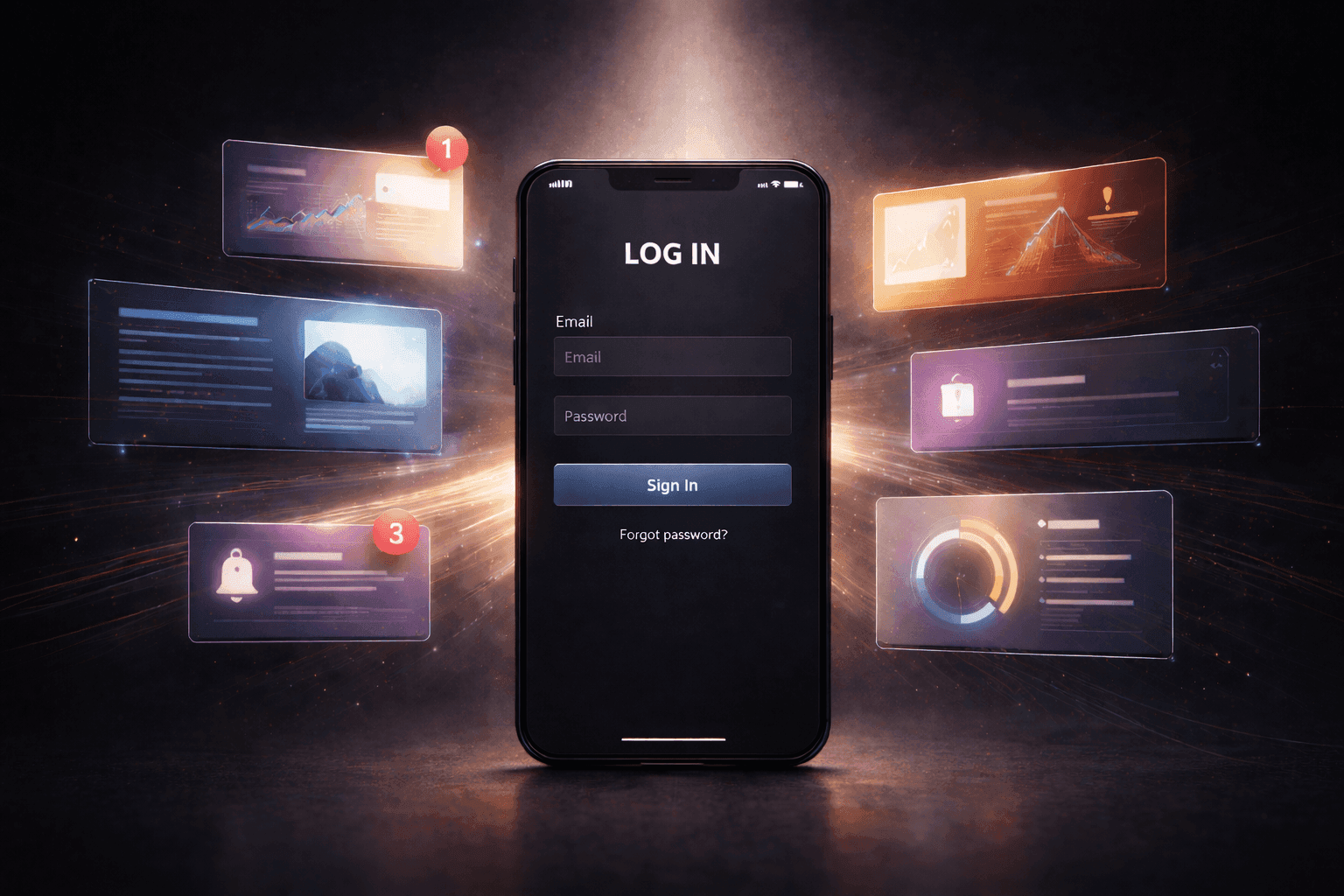
What Users Notice First on the OKGames Login Page

When users proceed to the OKGames login page, they are usually doing a quick gut check before anything else. They ask them themselves whether the interface feels usable or stable. And, of course, if they are able to distinguish what they're supposed to do without staring at the UI for too long. The login page of a platform is where the surface polish stops mattering so much and the actual product starts showing itself.
A lot of that first reaction comes from pretty ordinary things. Label text that is easy to read. A main button that actually looks like the main action. Enough space around the form so the page does not feel packed too tightly. Sometimes it is even simpler than that. If the form looks visually off center or the top section feels heavier than the rest, the page already starts giving people low level friction before they type a thing.
Why the Login Page Shapes First Impressions
A homepage can hide weak design behind banners and motion. A login form cannot. It has a very small job, so every awkward choice stands out more.
Field order is one of those details people notice without naming it. If the first field does not feel like the first field, or the labels look too faint to trust at a glance, the page starts making people work earlier than it should. Same with placeholder text that tries to explain too much. A clean form should not feel like a puzzle.
And this is where a lot of login pages lose people quietly. Not with one huge mistake. Just a few small ones stacked together.
Why OKGames Login Has to Feel Clear Fast
The OKGames login page has to make the next step obvious almost immediately. Where to type. Where to tap. Where to recover access if something goes wrong. If the eye has to wander around the page to figure that out, the interface is already dragging.
Button hierarchy does a lot of the work here. If the login button sinks into the background, or if support links pull the same attention as the main action, the page starts feeling noisier than it needs to be. Another detail that stands out fast is button state. When a login button looks fully active before the fields feel complete, it creates a weird little disconnect. People may not describe it in UX terms, but they feel it. The page starts to seem less steady.
How Mobile Changes the Experience

This is where weak decisions get exposed fast. On a phone, spacing that seemed acceptable on desktop suddenly feels cramped. A button that looked fine with a mouse can feel too small when someone is using a thumb. Tap targets that sit too close together make the page feel irritating almost right away.
Layout movement matters too. When the keyboard opens, the form should stay readable. The active field should stay in view. The main action should not drop into a strange spot or force extra scrolling just to finish one simple task. For OKGames PH users, this matters even more because a lot of first visits are happening on smaller screens, inconsistent mobile data, or older browsers that do not hide layout problems very well.
What Happens When Something Goes Wrong

This part usually tells you more about the product than the normal path does. A wrong password message should be quick and specific. Not dramatic. Not vague. Just useful.
Bad error handling makes people do extra work for no reason. Clearing the whole form after one mistake is annoying. Hiding the recovery option until the user starts hunting for it is worse. Even the wording matters. A short direct message feels much calmer than some generic warning that tells the user nothing.
That is one reason login pages can feel frustrating even when the layout looks fine at first. The page handles failure badly, and suddenly the whole thing feels less thought through.
How the OKGames App Shapes Expectations
The app side changes how people judge the browser version, whether they mean to compare them or not. If someone has used the OKGames app before, they already expect a certain kind of spacing, speed, and visual order. So when the browser login experience feels more crowded or less stable, the difference lands immediately.
The reverse is true too. Some people start in the browser because they assume it will be simpler than installing anything. If that version feels awkward on mobile, the product starts losing credibility before the user gets inside. You can see the difference more clearly in this browser login example when you pay attention to how the page balances the form, links, and mobile layout. Small differences in placement do a lot here. If the app feels cleaner and more settled, the browser version can end up looking rough by comparison.
Why Login UX Builds Trust
Trust on a login page is not really about glossy visuals. It comes from the page behaving the way people expect a well made page to behave. Clear field order. Labels that read cleanly. Enough space to keep the form breathable. Buttons that feel properly ranked. Error feedback that helps instead of adding noise.
That is why the login experience is viewed as an important page to optimize. It is one of the first practical moments a user has with the product. If the page feels readable and steady, people settle in fast. If it feels cramped, jumpy, or oddly inconsistent between the app and browser version, that reaction starts there and follows everything else after it.